

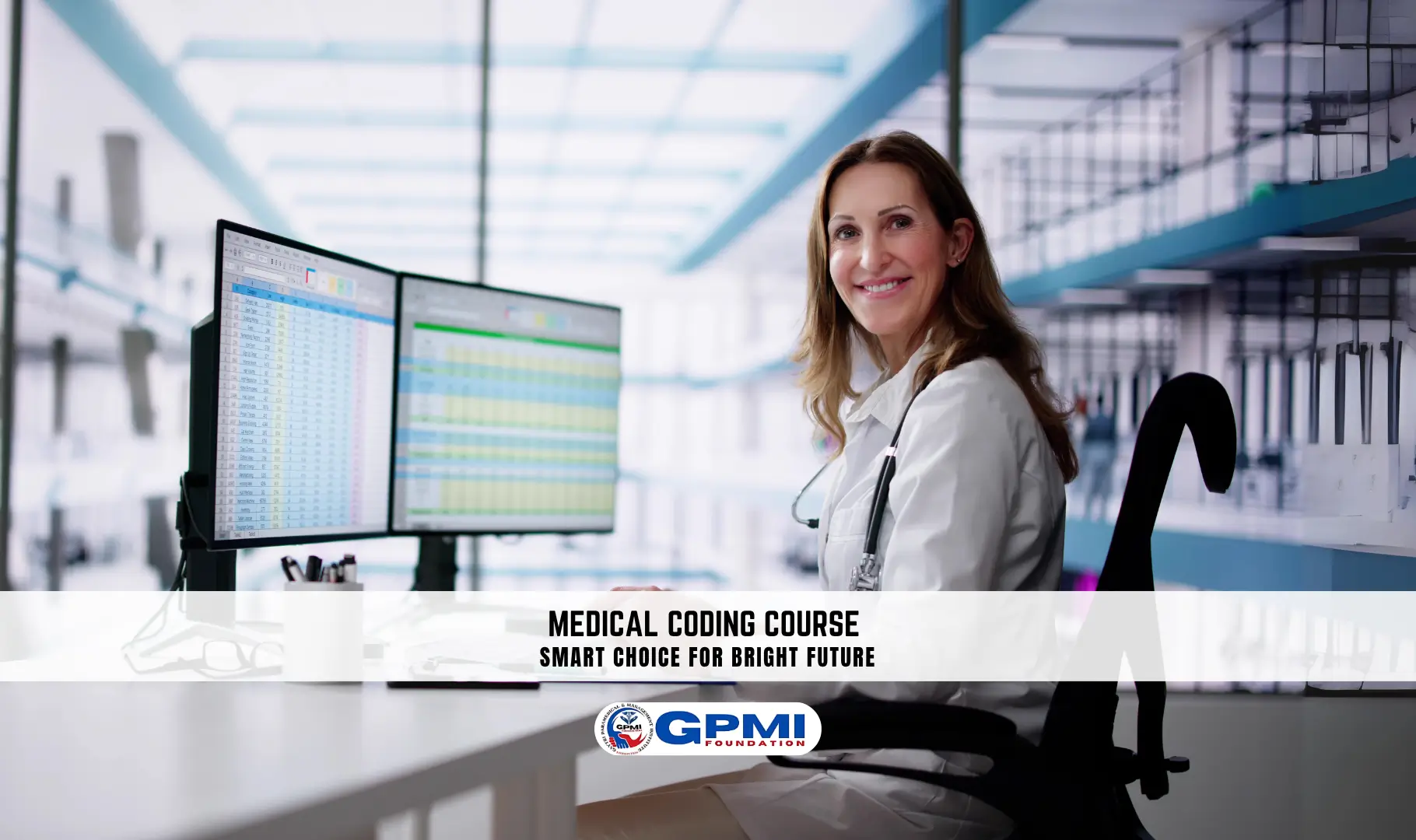
In 2025, medical coding has become one of the most in-demand career options in the healthcare field. As of now hospitals, clinics, and insurance companies going fully digital, the need for trained medical coders is growing fast.
Every time a patient visits a doctor or gets treated at a hospital, a proper record needs to be created using special medical codes. These codes help in billing, insurance claims, and keeping accurate patient histories. That’s where medical coders come in—they turn medical reports into universal codes that make the whole system work smoothly.
Because of rising healthcare needs, increasing health insurance usage, and the growth of private hospitals, the demand for skilled medical coders is increasing every day.
Many students are now choosing medical coding as a career because it offers good salary packages, work-from-home options, and job stability without needing a medical degree. It’s the perfect blend of healthcare knowledge and computer skills.
Table of Contents
What is Medical Coding?
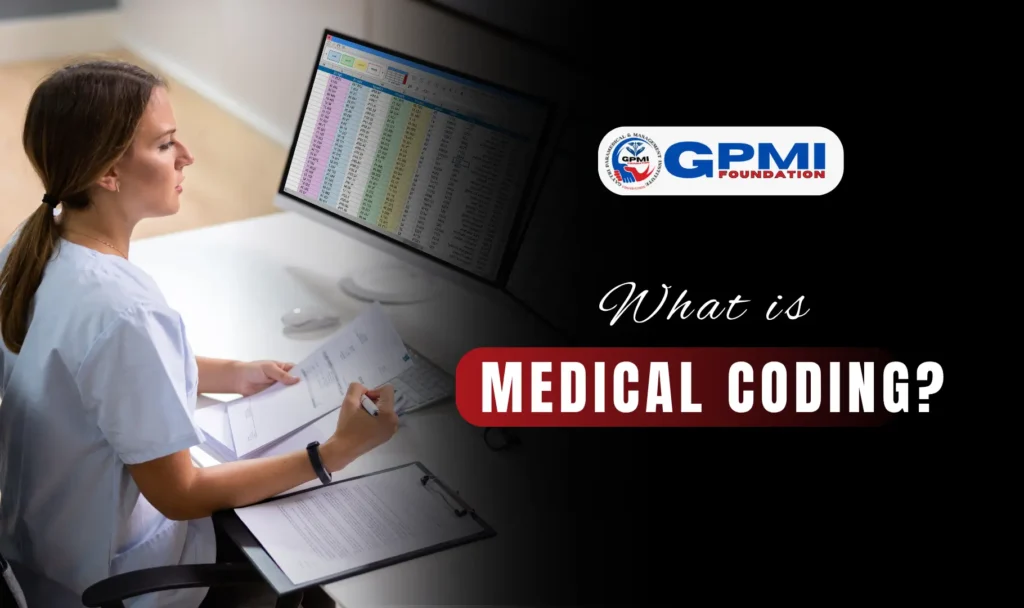
Medical Coding Definition: Medical coding is the process of turning medical information—like doctor’s notes, lab reports, or hospital records—into a set of standardized codes. These codes are used all over the world to describe diseases, treatments, tests, and procedures.
In simple words, medical coding means converting written healthcare data into number and letter codes that are used for billing, insurance claims, and maintaining patient records.
For example, if a patient visits a doctor for a fever, the treatment and diagnosis will be written down by the doctor. A medical coder will then read that report and assign the correct codes for it. Medical coding helps hospitals and insurance companies communicate clearly and avoid errors. It also makes sure doctors and healthcare providers get paid correctly.
Medical coding is important in both private and government hospitals. Without it, the entire healthcare system would face delays, confusion, and losses. That’s why trained coders are now needed more than ever in the medical world.
- CPC Full Form in Medical Coding: The CPC full form is Certified Professional Coder. It is a globally recognized certification offered by the AAPC that proves a coder’s expertise in assigning accurate medical codes for diagnoses and procedures.
- CPT Full Form in Medical Coding: The CPT full form is Current Procedural Terminology. It is a set of medical codes used to describe diagnostic, surgical, and medical services performed by healthcare professionals for billing and documentation purposes.
- Medical Coding Examples: Here are some examples to help you understand how it works
- Fever Diagnosis – If a patient visits with high fever, the ICD-10 code R50.9 (Fever, unspecified) is used.
- Appendectomy Surgery – For surgical removal of the appendix, the CPT code 44950 is assigned.
- Diabetes Check-up – A routine check-up for diabetes may use the ICD-10 code E11.9 (Type 2 diabetes without complications).
What is Medical Coding Course?

A medical coding course is a professional training program that teaches students how to read, understand, and convert medical information into standardized codes. These codes are used in hospitals, clinics, diagnostic centers, and insurance companies to maintain health records and process billing.
In simple words, a medical coding course trains you to convert diagnoses, procedures, and treatments into universal codes like ICD, CPT, and HCPCS. This process is important for insurance claims, hospital management, and patient records.
The course includes subjects like anatomy, physiology, medical terminology, and coding systems. It also teaches students how to use coding software and follow healthcare regulations. Most courses can be completed in 6 months to 1 year and are open to 12th pass students, especially those with a science background.
After completing the course, students can work as medical coder, billing executives, or health information technicians. The demand is high, and many jobs even offer work-from-home opportunities.
Medical Coding Course Details
Let’s now explore the key details of the medical coding course to gain a better understanding. We’ll look into important aspects like course duration, eligibility, fees, and other essential information.
Medical Coding Course Duration and Fees
Medical Coding Course Duration
- Certificate Course: Duration – 3 to 6 months
- Diploma Course: Duration – 6 months to 1 year
- Advanced Courses or CPC Preparation: Duration – 6 to 12 months
Medical Coding Course Fees
- Certificate Course Fees – ₹30,000 to ₹60,000
- Diploma Course Fees – ₹50,000 to ₹90,000
- Advanced Courses or CPC Preparation Fees – ₹70,000 to ₹1,20,000
Some reputed institutes may also include exam preparation, internship, or placement support in the total fee. Online courses usually offer flexible schedules and are slightly more affordable compared to classroom programs. EMI options are also available in many training centers.
Medical Coding Course Qualification
To join a medical coding course, students must meet certain educational qualifications. The basic eligibility criteria are as follows:
- Minimum Qualification: 10+2 (Intermediate) from a recognized board
- Preferred Stream: Science stream with subjects like Biology is often preferred, but students from any stream can apply
- Graduates: B.Sc., B.Com, or any degree holders can also enroll, especially for advanced or certification courses like CPC
- Age Limit: Usually no age limit, making it suitable for both freshers and working professionals
Good communication skills, basic computer knowledge, and understanding of English or medical terminology are helpful.
In short, The course is flexible and open to a wide range of learners, especially those looking for a quick-entry career in the healthcare industry without needing a medical degree.
Medical Coding Course Syllabus
The medical coding course subjects are selected to give students a strong foundation in healthcare terminology and coding systems. Key topics include:
- Human Anatomy and Physiology
- Medical Terminology
- ICD-10 Coding (Diagnosis Coding)
- CPT Coding (Procedure Coding)
- HCPCS Coding (Healthcare Common Procedure Coding System)
- Health Insurance and Billing Guidelines
- Coding for Different Specialties (like Radiology, Surgery, etc.)
- Basic Computer and Software Skills
- Medical Ethics and Compliance
This syllabus helps students understand how to read medical records and assign accurate codes for billing, insurance, and record-keeping purposes.
Government Approved Medical Coding Course
It ensures that the training you receive meets national standards and is recognized by employers, hospitals, and healthcare companies. These courses are often affiliated with reputed bodies like the NSDC (National Skill Development Corporation), Healthcare Sector Skill Council (HSSC), or approved by UGC-recognized universities.
Enrolling in a certified or government-approved course boosts your chances of getting better job placements in both India and abroad. Such courses cover all important topics including ICD-10, CPT, and HCPCS coding systems along with practical training.
Some government-approved programs may also offer internship opportunities, certification exams, and placement support. These programs maintain a strong focus on accuracy, ethics, and healthcare documentation standards.
Whether you’re a 12th pass student or a graduate, choosing a government-approved medical coding course is a smart step toward a secure and respected career in the growing healthcare industry.
Free Medical Coding Course
If you’re looking to start a healthcare career without spending money, a Medical Coding Course Online Free With Certificate is a great option. Many online platforms now offer basic medical coding training at no cost, allowing students to learn from home and earn a certificate upon completion.
Key Features…
- Zero Cost: Perfect for beginners or students with limited budgets
- Flexible Learning: Study at your own pace, anytime and anywhere
- Certificate Included: Helps build your resume and show proof of learning
- Good for Beginners: Covers basic topics like ICD-10, CPT, and medical terminology
Popular platforms like Coursera, Udemy, and Alison offer introductory-level free medical coding courses. However, these are ideal for foundational knowledge and may not replace paid certification courses like CPC if you want advanced or job-oriented training.
Still, a free medical coding course is a smart way to explore this field and decide if it’s the right career path for you.
Medical Coding Training
Medical coding training is a professional learning program that prepares students to become skilled medical coders. It teaches how to read medical documents and translate diagnoses, treatments, and procedures into standard codes used for billing and insurance. The training focuses on accuracy, speed, and knowledge of coding systems like ICD-10, CPT, and HCPCS.
Key Components of Medical Coding Training:
- Medical Terminology: Understanding common medical words and abbreviations
- Anatomy & Physiology: Learning body systems and functions
- Coding Systems: Training on ICD-10, CPT, and HCPCS codes
- Insurance & Billing Rules: Understanding claim submission and reimbursement
- Practical Sessions: Real-time coding practice using patient case studies
- Software Skills: Use of coding and hospital management software
Medical coding training is available both online and offline and usually lasts 3 to 12 months. It is suitable for 12th pass students and graduates looking for a stable job in the healthcare sector.
Medical Coding Jobs for Freshers
Medical coding jobs for freshers are becoming highly popular due to the growing demand in the healthcare industry. Even if you’re new to the field, you can find good job opportunities after completing a certified medical coding course.
Job Roles for Freshers:
- Medical Coder (Trainee or Junior)
- Medical Billing Executive
- Health Information Technician
- Coding Analyst Assistant
- Insurance Claims Associate
Work Settings:
- Hospitals and Clinics
- Diagnostic Laboratories
- Health Insurance Companies
- Third-Party Medical Billing Companies
- Remote Work/Work-from-Home Projects
Most companies offer on-the-job training to freshers and help them grow their skills. A fresher can expect a starting salary ranging from ₹12,000 to ₹20,000 per month, depending on location and company. With experience and certification like CPC, salaries can increase rapidly.
For students or graduates looking for a quick entry into the medical field without becoming a doctor or nurse, medical coding jobs for freshers offer a smart, stable, and growing career path.
Medical Coding Course Salary
One of the major reasons students choose this career is the attractive medical coder salary in India. After completing a medical coding course, freshers can start earning a decent income with opportunities to grow quickly in this field.
Average Salary Based on Experience:
- Fresher (0–1 year): ₹12,000 to ₹20,000 per month
- 1–3 Years Experience: ₹20,000 to ₹35,000 per month
- Certified Coders (CPC, CCS): ₹30,000 to ₹50,000+ per month
- 5+ Years of Experience: ₹50,000 to ₹80,000+ per month or more
Factors Affecting Salary:
- Type of employer (hospital, MNC, or outsourcing firm)
- City or location (higher salaries in metro cities like Bangalore, Chennai, Hyderabad)
- Certification (CPC-certified coders earn more)
- Communication and technical skills
The medical coder salary is quite promising, especially for those who gain experience and additional certifications. It’s a smart career choice with great scope in both domestic and international healthcare sectors.
Which is better, CPC or CCS?
When it comes to choosing between CPC (Certified Professional Coder) and CCS (Certified Coding Specialist), many students are confused about which one is better. The truth is, both certifications are highly respected in the medical coding field, but they serve slightly different purposes depending on your career goals.
CPC (Certified Professional Coder)
- Offered by AAPC (American Academy of Professional Coders)
- Best for outpatient coding, such as clinics, physician offices, and private practices
- More focused on CPT, ICD-10-CM, and HCPCS Level II coding
- Easier to begin with for freshers
- More commonly accepted in India and for remote jobs
- High demand in medical billing companies and coding service providers
CCS (Certified Coding Specialist)
- Offered by AHIMA (American Health Information Management Association)
- Focuses more on inpatient hospital coding
- Includes ICD-10-CM and ICD-10-PCS in depth
- Considered more advanced, preferred by US hospitals
- Better if you’re planning to work in the U.S. healthcare system
If you’re a fresher or looking to work in India or with outsourcing companies, CPC is a better starting point. If you aim for a high-level coding role in hospitals or plan to work in the U.S., CCS offers more value. Many coders even pursue both over time to expand their opportunities.
How To Become a Certified Professional Coder?
The CPC certification, offered by the AAPC (American Academy of Professional Coders), proves that you have the skills to accurately read and code medical records using standard coding systems like ICD-10-CM, CPT, and HCPCS. Here is a step-by-step guide to help you become a CPC-certified professional:
Step 1: Meet the Basic Eligibility
You don’t need a medical degree to become a CPC. However, the minimum qualification is generally:
- 10+2 pass (preferably from the science stream)
- Good understanding of English and basic computer skills
Step 2: Enroll in a Medical Coding Training Program
Join a recognized medical coding course that covers:
- Medical Terminology
- Anatomy & Physiology
- ICD-10-CM (Diagnosis Coding)
- CPT (Procedure Coding)
- HCPCS Level II
- Healthcare laws and ethics
This training can be completed online or offline and usually lasts 4 to 12 months. Many AAPC-approved training partners offer CPC-focused courses.
Step 3: Get Practical Experience
Although not mandatory, one year of coding experience is preferred by employers and AAPC. If you pass the exam without experience, you’ll receive the CPC-A (Apprentice) title. You can remove the “A” once you complete the required experience.
Step 4: Apply and Prepare for the CPC Exam
Register for the CPC exam through the AAPC website. The exam consists of 100 multiple-choice questions and must be completed in 4 hours. It tests your coding knowledge, accuracy, and speed.
Step 5: Pass the CPC Exam
You need at least 70% marks to pass. Once passed, you become a Certified Professional Coder and can apply for jobs globally.
Step 6: Maintain Your Certification
To keep your CPC active, you must:
- Pay annual AAPC membership fees
- Earn Continuing Education Units (CEUs) regularly
Becoming a CPC is a smart move for those who want a healthcare career without becoming a doctor or nurse. It offers job security, good pay, and opportunities to work from home.
READ MORE: How To Become a Certified Professional Coder (CPC): Salary & Career Paths
Conclusion
If you’re looking for a job that is stable, well-paying, and respected, a medical coding course can be a great choice. In today’s world, hospitals and clinics are becoming more digital, and they need trained coders to handle patient records and billing. The best part is, you don’t need to be a doctor or nurse to enter this field.
This course is short in duration, easy to learn, and available both online and offline. After finishing the course, you can work in hospitals, private companies, or even from home. Certifications like CPC or CCS can help you earn more and grow faster in your career.
In 2025, the demand for skilled medical coders is rising in India and abroad. So, if you want a career that is safe, smart, and future-ready, choosing a medical coding course is a wise decision.