

Choosing a career after 12th is never easy. Students often stand at a crossroads, wondering which course will not only give them a good job but also keep them motivated for life. In this confusion, the BSc Radiology course has become a hot topic.
Some call it the “future of medical imaging,” while others doubt if it is really worth the time, money, and effort. If you are also asking yourself, “Should I go for BSc Radiology in 2026 or not?”, this article is written just for you.
Radiology is not just about X-rays. It is the heart of modern diagnosis. From CT scans and MRIs to advanced imaging techniques, radiologists and radiology technologists play a key role in saving lives. But still, many students are unsure about whether this course is the right choice for them.
In this article, we will uncover 12 proven facts that will clear all doubts. By the end, you will know if the BSc Radiology course is truly worth it for you in 2026 or not.
Table of Contents
What is BSc Radiology Course?
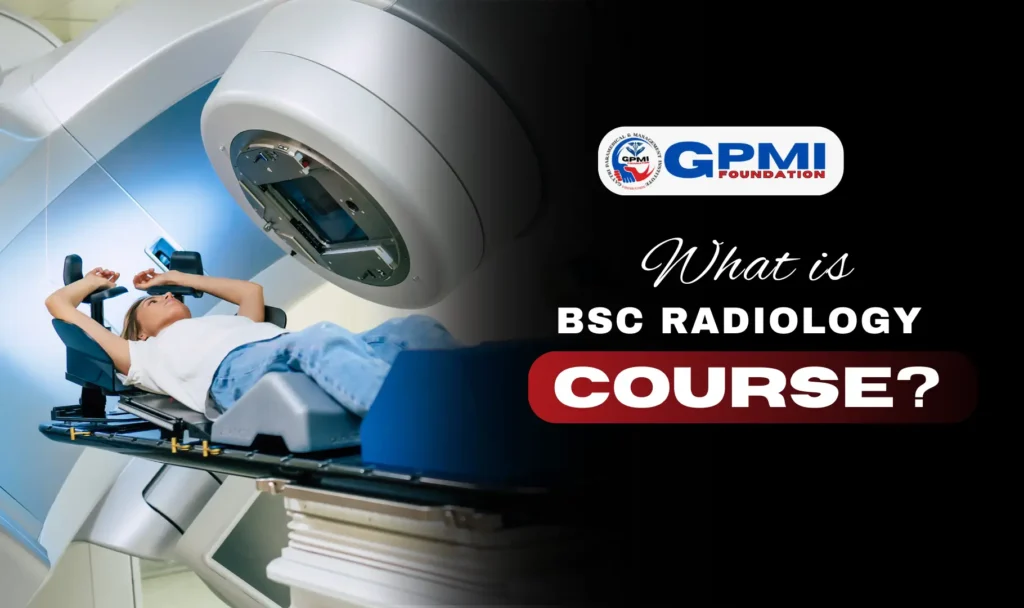
The BSc Radiology course is a professional undergraduate program designed for students who want to build a career in the exciting world of medical imaging. In simple words, it is a study of how to look inside the human body using advanced machines like X-ray, CT scan, MRI, and ultrasound.
Doctors depend on these images to find out what is wrong with a patient and to decide the right treatment. That’s why radiology experts are often called the “eyes” of modern medicine.
The course, also known as BSc Radiology and Imaging Technology, usually takes 3 years to complete. Students learn both theory and practical skills—how the machines work, how to prepare patients, and how to create clear and accurate images that can save lives. Unlike many other medical courses, it does not require you to become a doctor, but it still allows you to be a vital part of the healthcare system.
In short, the BSc Radiology course is not just about machines, it’s about learning the art of seeing what others cannot, and becoming a trusted support for doctors and patients alike.
BSc Radiology Course Details?
Selecting the right career path after school can feel confusing, but the BSc Radiology course often shines as an exciting choice. Let’s look at some basic BSc Radiology course details to see if it’s the right fit for you.
BSc Radiology Course Duration & Eligibility
The BSc Radiology course generally takes 3 years to complete, divided into 6 semesters. Some colleges may also include a 6-month to 1-year internship for practical training.
- Must pass class 12 with Science subjects like Physics, Chemistry, and Biology.
- Minimum Marks requirement of 50%.
- It is an excellent option for those who wish to build a career in healthcare
BSc Radiology Fees for the Course
The fees for BSc Radiology are not the same in every college. Government colleges usually have lower fees, while private colleges charge more. On average, the cost can be between ₹50,000 to ₹2,00,000 per year.
- Government colleges: ₹50,000 – ₹80,000 per year (approx.)
- Private colleges: ₹1,00,000 – ₹2,00,000 per year (approx.)
- Extra costs for books, lab, and exam fees
- Scholarships available for talented or needy students
BSc Radiology Subjects
The subjects in BSc Radiology are designed to help students understand the human body and the machines used for medical imaging. In the first year, students learn about the basics of anatomy and physiology. Later, they study radiation physics, X-rays, CT scans, MRI, and ultrasound.
These subjects give both theory and practical knowledge so students can work confidently in hospitals and diagnostic centers.
Main Subjects Covered:
- Human Anatomy
- Human Physiology
- Radiation Physics
- Imaging Techniques
- X-Ray Technology
- CT Scan Technology
- MRI Technology
- Ultrasound Imaging
- Radiation Safety and Protection
BSc Radiology Entrance Exam
You can get admission to BSc Radiology course in two ways, some colleges give direct admission based on 12th marks, while others conduct entrance exams. Students who have studied Physics, Chemistry, and Biology in class 12 can apply.
Entrance exams test include basic knowledge of PCB subjects along with general reasoning. Preparing well for these exams increases the chance of getting admission in top colleges.
Some Common Entrance Exams for BSc Radiology:
- NEET (National Eligibility Entrance Test)
- AIIMS Paramedical Entrance Exam
- JIPMER Entrance Test
- State-level university entrance exams
- Some private colleges conduct their own tests
BSc Radiology Salary Per Month
The salary after completing BSc Radiology depends on skills, experience, and the type of hospital or diagnostic center. The starting BSc Radiology and Imaging Technology salary per month for freshers in India is usually start from ₹15,000 and after a few years of experience, professionals can earn ₹40,000+ easily.
The BSc Radiology salary in India is higher in big cities, private hospitals, and corporate diagnostic centers. Those who go abroad can earn even more with better opportunities.
- Freshers: ₹15,000 – ₹30,000 per month
- Experienced: ₹40,000 – ₹60,000 per month
- Abroad jobs: Provides much higher packages.
READ MORE: B.Voc in Radiology and Imaging Technology (B.Voc.MRIT)
12 Facts That Make BSc Radiology Worthful
Choosing the right course after school is never easy. Students often look for a course that is useful, career-focused, and gives long-term benefits. One such course is BSc Radiology. It is not only about operating machines but also about helping doctors save lives with the right diagnosis.
If you are wondering whether this course is really worth it, here are 12 facts that make BSc Radiology a smart choice.
1. A Course That Blends Science and Technology
BSc Radiology combines the world of medical science with modern technology. In this course, students are trained to handle imaging machines such as X-rays, MRI, CT scans, and ultrasounds.
These tools allow doctors to see inside the human body and detect health problems. For students interested in both healthcare and technology, this course is an excellent choice.
2. Short Duration with Long-Term Benefits
BSc Radiology is generally a 3-year course, and some colleges also add a 6-month to 1-year internship for practical training. During this time, students learn the skills needed to work in hospitals, clinics, and diagnostic labs.
Unlike long medical degrees that take many years, this course provides a quicker pathway into the healthcare sector, allowing students to start their careers early.
3. Direct Admission Without NEET Possible
To join BSc Radiology, students must complete Class 12 with Physics, Chemistry, and Biology. In some colleges, students with Physics, Chemistry, and Math are also accepted. This gives more science students a chance to apply.
The admission process is not as tough as MBBS, since very high cut-offs are not required. Many colleges even provide direct admission, making it easier to start this career.
4. Affordable Course Fees
The cost of studying BSc Radiology is lower when compared to expensive medical or dental courses. On average, the fees range from ₹50,000 to ₹2,00,000 per year, depending on the type of college.
Government colleges usually charge less, while private ones may cost more but often provide scholarships or installment payment options. This makes BSc Radiology an affordable and budget-friendly course for many students.
5. Wide Range of Subjects
BSc Radiology includes a wide range of subjects that build strong medical and technical knowledge. These subjects develop both theory and hands-on skills, preparing students to understand the body and operate imaging machines confidently.
- Anatomy (which explains the human body,)
- Physiology (how the body works)
- Radiation Physics
- Imaging Techniques
- X-ray, MRI, CT Scan, and Ultrasound
These subjects make students skilled in both theory and practice. They learn how the body functions and how to use machines safely and effectively.
READ MORE: Top 10 Reasons to Choose X Ray Technician Course After 12th
READ MORE: Become An Expert X-Ray Technician in 7 Easy Steps
6. Less Competitive Entrance Exams
Getting admission into BSc Radiology is much simpler compared to MBBS, where the entrance exams are very tough and competitive. For this course, exams like NEET, AIIMS Paramedical Courses, and some state-level university tests are common.
However, many private colleges also allow direct admission without an entrance test. This provides students with more chances and flexibility to secure admission in a good college.
7. Attractive Starting Salary
A big reason many students choose BSc Radiology is the good salary it offers. The average BSc Radiology and Imaging Technology salary per month in India for freshers is between ₹15,000 and ₹30,000. With more skills and work experience, salaries can increase to ₹40,000–₹60,000 per month.
In large cities and private hospitals, the BSc Radiology Technology salary in India is even higher, making it a rewarding career option.
8. High Demand in Healthcare Sector
Radiology professionals are required in every hospital, whether small clinics or large medical centers. Doctors rely on imaging for many purposes, such as identifying fractures, spotting tumors, or detecting serious diseases like cancer.
Since the number of patients continues to rise, the demand for trained radiology experts is always strong. This ensures excellent job security and stable career growth in the healthcare sector.
9. Career Options in Different Areas
After completing the course, students can work in:
- Government and private hospitals
- Diagnostic imaging centers
- Nursing homes
- Research labs
- Medical equipment companies
Some even choose teaching or higher studies like MSc Radiology or MBA in Healthcare Management.
10. Opportunities Abroad
Radiology professionals are needed not only in India but also in many countries around the world. Places like the USA, UK, Canada, and Gulf nations provide excellent career opportunities with much higher salaries.
With a few extra certifications or training, graduates can easily qualify for jobs abroad. The high pay and global demand make working overseas a very attractive option for radiology students.
11. A Course with Social Value
Radiology is much more than just a career for earning money; it is a profession centered on helping people. Radiographers are important in identifying fractures, tumors, infections, and many other health issues.
By producing clear and accurate images, they give doctors the right support to treat patients effectively. For students looking for both respect and personal satisfaction, BSc Radiology is a truly meaningful course.
12. Growth Never Stops
Technology in radiology is improving every year. New machines and techniques are being invented, such as 3D imaging and AI-based scans. This means professionals keep learning and growing with time. The scope of radiology will never fade because healthcare always needs better and faster imaging methods.
BSc Radiology is more than just a degree; it is a gateway to a strong career in healthcare. With its affordable fees, wide subjects, job security, good salary, and international scope, it offers everything a student can ask for. If you are passionate about science, machines, and helping people, this course will definitely be worth it.
So, the next time you wonder whether to choose BSc Radiology or not, remember these 12 facts. They clearly show why this course is a smart, practical, and rewarding choice for your future.
READ MORE: Explore the Best Paramedical Courses After 12th
After BSc Radiology Which Course is Best?
After completing BSc Radiology if you wish to study further and grow your career, there are several good options available. Choosing the right course depends on your interest and future goals.
One of the most popular choices is MSc Radiology and Imaging Technology. This course helps you gain advanced knowledge of imaging techniques like MRI, CT Scan, and Ultrasound. With an MSc, you can apply for higher positions such as senior radiographer, imaging specialist, or research assistant.
Another good option is doing an MBA in Healthcare Management. If you are interested in management along with medical knowledge, this course can help you move into hospital administration or health project management roles.
Students who want to focus on teaching can also choose Postgraduate Diploma Medical Imaging. These courses open doors in academics and research.
Apart from these, you can also go for short-term certifications in special fields such as Nuclear Medicine, Interventional Radiology, or Radiotherapy, which add to your skills and improve job opportunities.
So, after BSc Radiology, the best course depends on your goal—whether you want to become a specialist, a manager, a researcher, or even work abroad with better pay.
Top 10 BSc Radiology Colleges in India
Choosing the right college is as important as choosing the right course. If you want to build a successful career in radiology, studying at a reputed institute gives you an extra edge. Below is a list of some of the top colleges in India for BSc Radiology.
| S.No. | College / University | Highlights & Details |
|---|---|---|
| 1 | All India Institute of Medical Sciences (AIIMS) New Delhi | Premier institution with top 1 rank in NIRF medical category; excellent labs and reputation . |
| 2 | Post Graduate Institute of Medical Education & Research (PGIMER) Chandigarh | Offers modern training and strong placement network; known for practical radiology exposure. |
| 3 | Jawaharlal Institute of Postgraduate Medical Education and Research (JIPMER) Puducherry | Institute of National Importance; strong research and clinical training in radiology. |
| 4 | Christian Medical College (CMC) Vellore, Tamil Nadu | Known for rigorous coursework and excellent hands-on clinical exposure. |
| 5 | Manipal College of Health Professions, Manipal, Karnataka | Offers state-of-the-art facilities and quality clinical training. |
| 6 | Sri Ramachandra Institute, Chennai, Tamil Nadu | Offers thorough radiology training with strong practical components. |
| 7 | NIMS University, Jaipur, Rajasthan | Affordable education with good infrastructure and placement opportunities. |
| 8 | KLE Academy of Higher Education, Belagavi, Karnataka | Structured curriculum with internship opportunities at top hospitals. |
| 9 | SRM Institute of Science and Technology, Chennai, Tamil Nadu | Combines theory and hands-on training in a well-rounded radiology program. |
| 10. | Saveetha Institute of Medical and Technical , Sciences, Chennai, Tamil Nadu | Equipped with excellent facilities focused on practical radiology training. |
This list included both government and private institutions, offering quality education, modern facilities, and strong placement possibilities. You must note here…
- AIIMS, PGIMER, JIPMER, and CMC consistently rank among the most prestigious medical and paramedical institutes, known for high-quality training and placement.
- Southern institutions such as Sri Ramachandra, SRM, and Saveetha offer robust curricula with strong practical exposure.
- KLE and NIMS are appreciated for their affordability and comprehensive infrastructure.
If you aim for a stable and rewarding career in radiology, pursuing your BSc Radiology degree from one of these top colleges can open many doors. Choosing wisely today ensures a bright tomorrow.
Conclusion
After carefully exploring the various aspects of the BSc Radiology course—such as duration, fees, subjects, job opportunities, salary prospects, demand in India and abroad, and overall scope—it is clear that this program holds immense value in 2026.
Unlike other medical and paramedical courses that often require extremely competitive entrance exams, radiology offers an accessible yet highly rewarding career path.
The healthcare sector is expanding rapidly, and diagnostic imaging has become a cornerstone of modern medicine, which ensures continuous demand for skilled radiology professionals.
Students who complete this degree not only gain financial stability but also respect and satisfaction by directly contributing to patient care and diagnosis. With opportunities to pursue higher education, earn globally recognized certifications, and even explore international careers, the growth potential is limitless.
In short, BSc Radiology Course is absolutely worth it in 2026, offering a balanced blend of good salary, job security, and social impact.