

Are you thinking about a career in the medical field but not sure which path to take? If you’re interested in medicines, patients, and the science behind treatments, then the Doctor of Pharmacy (Pharm.D) course could be the perfect choice for you in 2025. This professional program is designed for students who want to become skilled clinical pharmacists and play an important role in healthcare.
Unlike regular pharmacy courses, Pharm.D focuses more on patient care than just preparing medicines. You learn how drugs work in the body, how to help doctors choose the right medicine, and how to talk to patients about their health. It’s a great mix of theory, practice, and real hospital experience.
In today’s world, where new diseases and treatments are coming fast, having a Pharm.D degree means you’re prepared for a smart, secure, and respected career. Let’s explore how this course can shape your future.
What is Doctor of Pharmacy Degree?
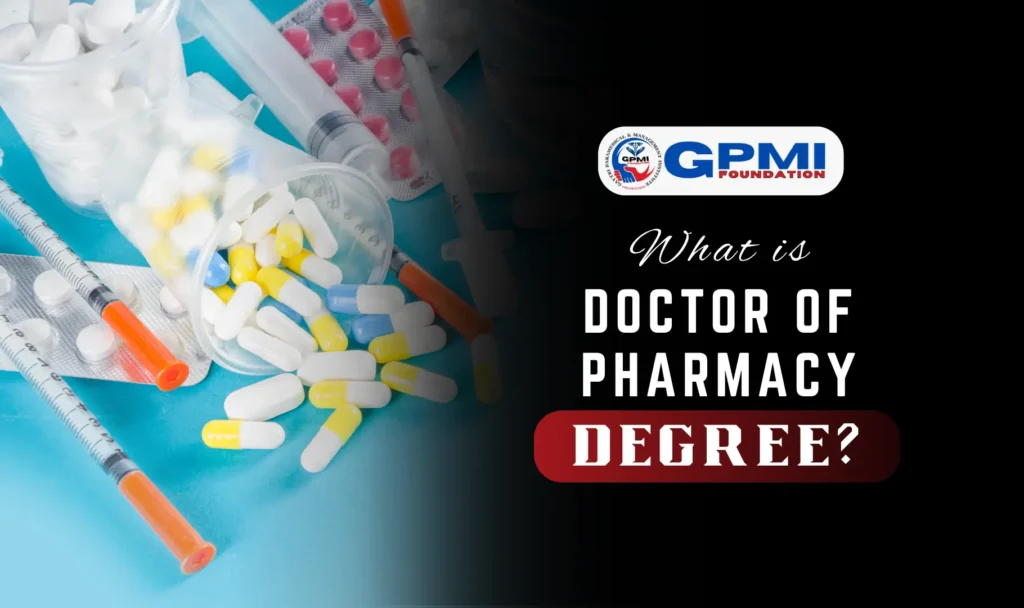
The Pharm.D Full Form is “Doctor of Pharmacy” and Doctor of Pharmacy Means that, it is a professional degree in the field of pharmacy that prepares students to become licensed pharmacists. It’s not just about learning how to make or sell medicines — it’s about understanding how medicines work, how they affect the body, and how to help patients use them safely.
Pharm.D is usually a 6-year course after 12th science, which includes classroom learning, lab training, and hospital practice. During the course, students study subjects like pharmacology, clinical pharmacy, drug interactions, and patient counseling. In the final year, students work in real hospitals to gain hands-on experience.
The main goal of Pharm.D is to train students to become experts in medication therapy and help doctors in treating patients. Pharmacists with a Pharm.D degree can work in hospitals, clinics, drug research centers, and even in foreign countries. It’s a smart choice for students who want a respected healthcare career without becoming a doctor.
Doctor of Pharmacy Course Details
If you’re planning a career in pharmacy, it’s important to understand what the Doctor of Pharmacy program offers. In this section, we’ll introduce you to the Pharm.D course details, giving you a clear picture of what to expect before you take the next step toward becoming a professional pharmacist.
Doctor of Pharmacy Course Duration
Doctor of Pharmacy Duration: The Pharm.D course duration is 6 years in total. This includes 5 years of classroom learning and lab training, followed by 1 year of internship in a hospital. The course is designed to give students both theoretical knowledge and hands-on clinical experience.
Pharm D Doctor of Pharmacy Eligibility
To get admission into the Pharm.D (Doctor of Pharmacy) course, students must meet certain eligibility criteria.
- Educational Qualification: The student must have passed 10+2 with Science stream, including Physics, Chemistry, and either Biology or Mathematics.
- Minimum Marks: Most colleges require at least 50% marks in the qualifying exam. Some reserved category students may get relaxation.
- Age Limit: The student should be at least 17 years old at the time of admission.
- Lateral Entry (for Pharm.D Post Baccalaureate): Students who have completed a B.Pharm degree can directly join into the 4th year of Pharm.D through the Post Baccalaureate route.
Admission is usually based on merit or entrance exams conducted by universities or state authorities. Always check specific college requirements before applying.
Pharm D Entrance Exams
To get admission into the Pharm.D (Doctor of Pharmacy) course, students may need to appear for entrance exams conducted by national, state, or university-level authorities. These exams test basic science knowledge and help in selecting eligible candidates.
Popular Pharm.D entrance exams include:
- NEET (National Eligibility cum Entrance Test) – widely accepted across many states and colleges.
- BITSAT – conducted by BITS Pilani for pharmacy and other courses.
- MET (Manipal Entrance Test) – for admission into Manipal University.
- SRMJEEE – conducted by SRM Institute of Science and Technology.
- State CETs (Common Entrance Tests) – like KCET, TS EAMCET, AP EAMCET, etc.
Some private colleges also offer direct admission based on 12th board exam marks. Always check individual college websites for their specific admission process.
Doctor of Pharmacy Course Fees
The Doctor of Pharmacy fees can vary depending on the type of college government or private. On average, the course fee ranges from ₹2 lakhs to ₹10 lakhs for the entire 6-year program.
- Government Colleges Fees: The fees are generally lower, ranging from ₹30,000 to ₹60,000 per year, making it more affordable for students from all backgrounds.
- Private Colleges Fees: These may charge higher, around ₹1 lakh to ₹2 lakhs per year, depending on facilities and reputation.
Additional costs may include hostel fees, lab charges, and exam fees. Scholarships are available in some institutions to support deserving candidates. Always check the official website of the college for updated Doctor of Pharmacy fees and payment structures.
Pharm.D Syllabus
The Pharm.D syllabus is designed to give students both theoretical knowledge and practical skills in pharmacy and healthcare. It focuses on areas like drug chemistry, pharmacology, clinical pharmacy, and patient care. The course is divided into six years, including one year of hospital internship.
Key subjects include:
- Human Anatomy & Physiology
- Pharmacognosy
- Pharmaceutical Chemistry
- Pharmacology
- Clinical Pharmacy
- Hospital & Community Pharmacy
- Therapeutics
- Biostatistics and Research Methodology
In the final year, students work in hospitals to gain real-time experience in patient counseling, prescription checking, and clinical decision-making.
Doctor of Pharmacy Salary Per Month
The Doctor of Pharmacy salary in India per month depends on experience, job role, and place of work. Freshers usually start with entry-level roles in hospitals or clinics, but the pay increases with experience and specialization.
Here’s a general breakdown of Pharm.D salary in India:
- Fresher (0–2 years): ₹25,000 to ₹40,000 per month
- Mid-level (3–5 years): ₹40,000 to ₹70,000 per month
- Experienced (5+ years): ₹80,000 to ₹1,20,000 or more per month
Pharm.D graduates working in private hospitals, research labs, or pharmaceutical companies may earn even higher. Those with international placements or advanced certifications can expect better packages.
Doctor of Pharmacy Jobs
After completing the course, students have access to a wide range of Pharm.D jobs in both the public and private healthcare sectors. The degree prepares students for clinical and patient-focused roles in hospitals, research labs, pharmaceutical companies, and government health departments.
Popular job roles include:
- Clinical Pharmacist
- Drug Safety Associate
- Pharmacovigilance Officer
- Hospital Pharmacy Manager
- Medical Writer
- Regulatory Affairs Executive
- Research Associate
Many Pharm.D jobs also exist in medical coding, clinical trials, and overseas healthcare services. With experience, graduates can move into higher-paying and leadership roles.
What is Post Baccalaureate Pharm D?

The Pharm D Post Baccalaureate program is a lateral entry option into the Doctor of Pharmacy course. It is specially designed for students who have already completed a Bachelor of Pharmacy (B.Pharm) degree. Instead of going through the full 6-year program, students can join directly into the 4th year and complete the Doctor of Pharmacy Post Baccalaureate course in just 3 years—2 years of classroom learning and 1 year of hospital internship.
The Pharm D Post Baccalaureate meaning is simple: it gives B.Pharm graduates an advanced clinical edge. This course focuses more on subjects like clinical pharmacy, hospital practice, pharmacotherapeutics, and patient care.
Since this is a lateral entry program, it saves time and helps students move faster into clinical roles such as clinical pharmacist, drug safety associate, or pharmacovigilance expert. It’s a smart way to boost your career in pharmacy and healthcare without starting from scratch.
Pharm D Post Baccalaureate Programs
Pharm.D Post Baccalaureate Programs are specialized courses designed for students who have already completed their Bachelor of Pharmacy (B.Pharm). These programs provide a lateral entry into the Doctor of Pharmacy (Pharm.D) course, allowing students to complete it in just 3 years instead of 6.
These programs focus on clinical pharmacy, patient care, drug monitoring, and hospital-based learning, giving students practical exposure in healthcare settings.
Apart from Pharm.D, other post baccalaureate medical programs are also gaining popularity. For example:
- Post Baccalaureate Diploma in Health Care Management – ideal for those who want to enter the administrative and managerial side of hospitals.
- Post Baccalaureate Diploma in Supply Chain Management – useful for managing medical supplies, logistics, and pharmaceutical inventory systems.
These courses help pharmacy graduates enhance their career prospects, gain specialized knowledge, and prepare for leadership roles in both medical and healthcare industries.
Pharm D Post Baccalaureate Fees
The Pharm D Post Baccalaureate fees vary depending on whether the college is government-run or privately managed.
- In government colleges, the fees are generally more affordable, ranging from ₹40,000 to ₹80,000 per year. These colleges provide quality education at a lower cost, making them ideal for students from all backgrounds.
- In private colleges, the fees are higher and may range between ₹1.5 lakhs to ₹3 lakhs per year, depending on the institute’s reputation, infrastructure, and hospital tie-ups.
Additional expenses like hostel, books, and lab charges may apply in both cases.
Pharm D Post Baccalaureate Syllabus
The Pharm D Post Baccalaureate syllabus is designed to prepare students for advanced clinical roles in hospitals and healthcare settings. Since students enter through lateral entry after B.Pharm, the syllabus skips the basics and moves directly into clinical applications.
Key subjects include:
- Clinical Pharmacy
- Pharmacotherapeutics
- Clinical Toxicology
- Hospital and Community Pharmacy
- Clinical Research
- Pharmacoepidemiology and Pharmacovigilance
- Clerkship and Internship Training
The final year includes a one-year internship in a hospital where students gain real-time experience in patient counseling, medication review, and clinical decision-making.
Top 5 Pharm D Post Baccalaureate College in India
Choosing the right college is very important when it comes to pursuing the Pharm.D Post Baccalaureate course. These colleges offer strong academic training, hospital tie-ups, and hands-on clinical experience. Here are the Top 5 Post Baccalaureate Pharm D Colleges in India
- Manipal College of Pharmaceutical Sciences, Manipal
One of the best private institutions in India, Manipal offers a well-structured Pharm.D Post Baccalaureate program with advanced hospital training and research facilities. - JSS College of Pharmacy, Ooty and Mysuru
Part of JSS Academy of Higher Education, both campuses are known for quality education and collaborations with top hospitals for internship and clinical practice. - SRM College of Pharmacy, Chennai
SRM University offers a Pharm.D Post Baccalaureate program with excellent infrastructure, experienced faculty, and clinical exposure in SRM Medical College Hospital. - Poona College of Pharmacy, Pune
Affiliated with Bharati Vidyapeeth, this college is UGC-recognized and offers strong clinical training in association with hospitals. - DY Patil Institute of Pharmaceutical Sciences, Navi Mumbai
Known for its modern campus and hospital linkages, DY Patil offers good exposure in hospital pharmacy practice.
Before applying, always check the college’s approval (PCI/UGC), hospital tie-ups, placement record, and Pharm.D Post Baccalaureate fee structure.
Doctor of Pharmacy Vs Post Baccalaureate
| Feature | Doctor of Pharmacy (Pharm.D) | Pharm.D Post Baccalaureate |
|---|---|---|
| Eligibility | 10+2 with Science (Physics, Chemistry, Biology/Math) | Bachelor of Pharmacy (B.Pharm) |
| Course Duration | 6 Years (5 Years study + 1 Year internship) | 3 Years (2 Years study + 1 Year internship) |
| Entry Type | Regular Entry | Lateral Entry (Direct into 4th year of Pharm.D) |
| Focus Area | Basic to advanced pharmacy, clinical & hospital care | Advanced clinical pharmacy, hospital training |
| Suitable For | Students after 12th Science | B.Pharm Graduates seeking clinical specialization |
| Degree Awarded | Doctor of Pharmacy | Doctor of Pharmacy (Post Baccalaureate) |
| Career Opportunities | Clinical Pharmacist, Drug Analyst, Hospital Pharmacist | Clinical Pharmacist, Research Associate, Drug Safety Officer |
Top 10 Doctor of Pharmacy Colleges in India

Choosing the right college is one of the most important steps in building a successful pharmacy career. Here is a list of the Top 10 Pharm.D Colleges in India known for their quality education, practical exposure, and strong placement records.
- 1. Manipal College of Pharmaceutical Sciences, Manipal: Consistently ranked among the best, this college offers world-class infrastructure, experienced faculty, and direct hospital training through Kasturba Medical College.
- 2. JSS College of Pharmacy, Ooty & Mysuru: Both campuses under JSS Academy of Higher Education and Research provide excellent teaching, research opportunities, and tie-ups with top hospitals for hands-on training.
- 3. SRM College of Pharmacy, Chennai: Part of SRM Institute of Science and Technology, this college provides a modern learning environment, advanced laboratories, and internship opportunities in SRM Medical College Hospital.
- 4. Poona College of Pharmacy, Pune: Affiliated with Bharati Vidyapeeth University, it is a reputed college offering strong academic support and internships in leading hospitals.
- 5. D.Y. Patil Institute of Pharmaceutical Sciences, Navi Mumbai: Known for its advanced facilities and hospital collaboration, this institute offers clinical learning and skill development in real medical settings.
- 6. NIPER, Mohali: A government-run institution, NIPER is well-known for research and innovation in pharmaceutical sciences. Although mainly focused on PG, it opens solid career doors.
- 7. KLE College of Pharmacy, Belgaum: Offers Pharm.D with excellent hospital exposure through its own medical college and skilled faculty focused on practical learning.
- 8. PSG College of Pharmacy, Coimbatore: Part of PSG group, it offers good clinical training and learning opportunities with PSG Hospitals.
- 9. Annamalai University, Tamil Nadu: A government university offering affordable Pharm.D education with decent academic facilities and practical training.
- 10. Andhra University College of Pharmaceutical Sciences, Visakhapatnam: One of the oldest pharmacy colleges in India, known for its experienced faculty and research-driven environment.
When choosing a college, always check for PCI approval, internship opportunities, hospital tie-ups, and placement support to make the most of your Pharm.D journey.
Conclusion
In today’s fast-growing healthcare industry, the Doctor of Pharmacy (Pharm.D) stands out as a smart and future-ready career choice for science students. It not only trains you in the core subjects of pharmacy but also prepares you for real-life hospital settings through clinical internships and patient care experience.
With rising demand in hospitals, research, pharmacovigilance, and global healthcare, Pharm.D opens doors to both national and international job opportunities. Top colleges like Manipal, JSS, SRM, and NIPER provide excellent education, infrastructure, and practical exposure, helping you build a strong foundation.
If you’re passionate about medicine, patient care, and clinical expertise, then Pharm.D is not just a course, it’s a smart investment in a brighter and impactful future.
Doctor of Pharmacy How Many Years Take?
The Doctor of Pharmacy (Pharm.D) course takes 6 years to complete after 12th science. It includes 5 years of academic study and 1 year of internship or practical training in a hospital setting, where students gain real-world experience in patient care and pharmacy practice.
What Does Doctor of Pharmacy Do?
A Doctor of Pharmacy (Pharm.D) professional is trained to understand medicines and how they affect the human body. They work closely with doctors and patients to ensure the right medications are given, manage drug interactions, counsel patients, and help improve overall treatment outcomes in hospitals or clinics.